
Looking for Home Office Security Installation Tips? Get practical guidance on securing entry points, CCTV placement, and lighting for a safer workspace.
Doors & Windows
Doors and windows are commonly used entry points for all intruders, making them the foundation of any security strategy. Landlords should thoroughly invest in more solid doors made from better materials like hardwood or metal, and make sure their frames are well-fitted.
Reinforcing hinges and installing deadbolt locks adds extra strength, which makes forced entry much more challenging. Double-glazed or laminated windows also provide better resistance against break-ins than single-pane glass.
You must always choose locks that meet British Standards for safety. Multi-point locking systems are particularly effective for uPVC or composite doors, while sash jammers can offer additional security for windows. Landlords must inspect such fixtures frequently for any glaring signs of wear because a damaged lock or weakened frame can make your property incredibly vulnerable.
Security film or window bars can further improve protection without compromising on appearance. For ground-floor flats or properties facing the street, these measures act as both a physical and visual deterrent. Decorative grilles or reinforced glass can maintain aesthetic appeal while keeping tenants safe.
CCTV Placement
CCTV systems serve as both a great deterrent and a means of collecting evidence if any incident does occur. However, their effectiveness depends largely on proper placement. Cameras should always be positioned in a place that will cover the entry points, such as front and back doors, driveways, and side paths. Landlords should also avoid blind spots that could provide intruders with hiding places.
Make sure to install cameras at an appropriate height, typically around two to three metres. This way, you can avoid any tampering of your equipment while making sure you have a clear view. Try not to position them too high, as this can limit the detail of the image. When covering large areas, it's always wise to use wide-angle lenses, as these are useful for capturing broader views without compromising on clarity.
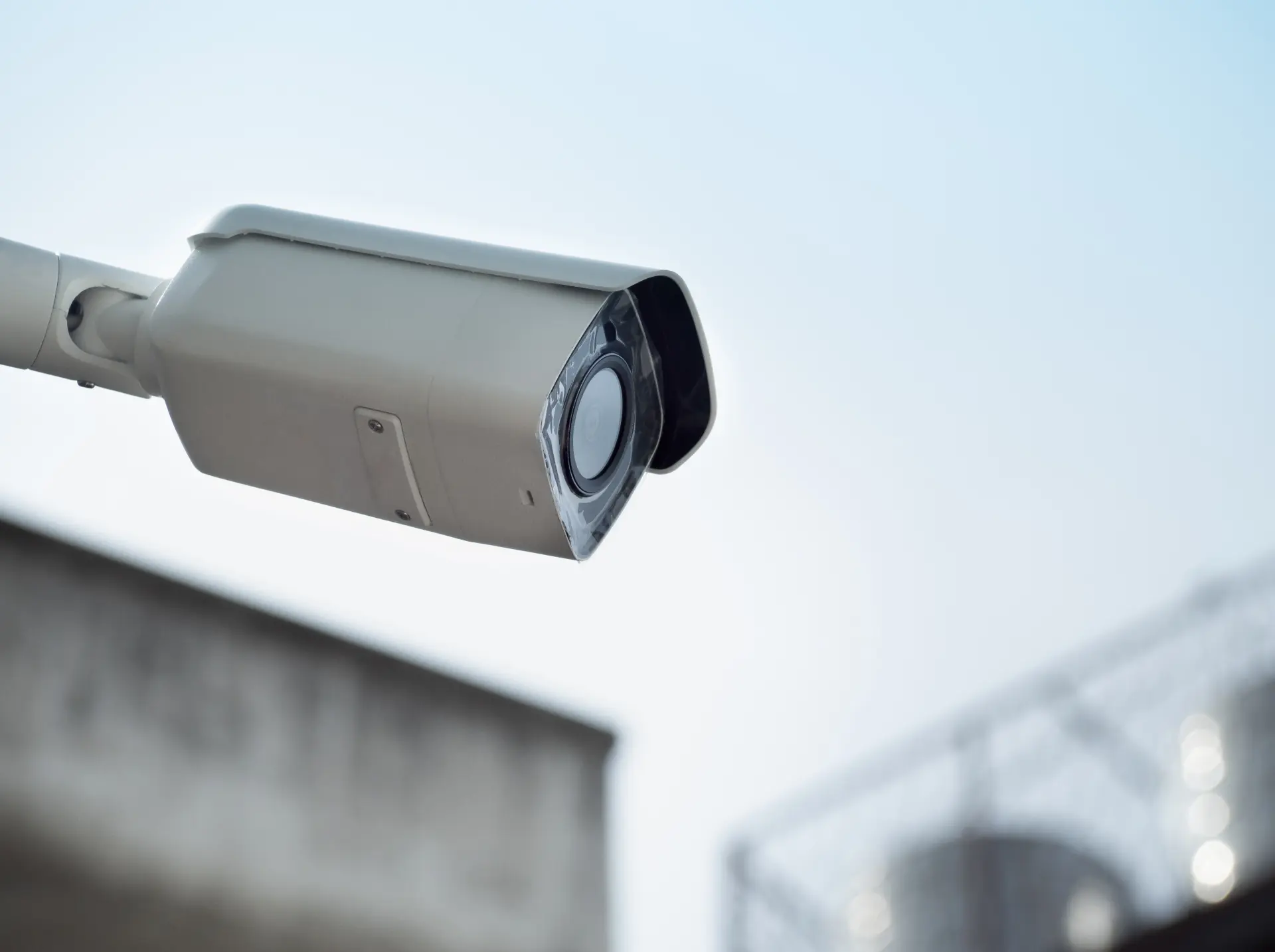
For shared or communal spaces, landlords must comply with privacy laws and the Data Protection Act. Cameras should only monitor public or shared areas, and tenants should be informed about where cameras are placed. Proper signage is a legal requirement and also acts as an additional deterrent to potential offenders.
Lighting is another major factor that influences CCTV performance. Cameras on your site should always be accompanied by motion-activated lighting or infrared capability, for better nighttime visibility. A well-lit area not only improves recording quality but also discourages suspicious activity.
Alarm Basics
An alarm system is a cornerstone of any modern property security. It alerts all the household and neighbours when there are any attempted intrusions and can notify the emergency services if they are connected to a monitoring centre. There are several types of alarm systems available, including bells-only, monitored, and smart alarms, each suited to different property types and budgets.
A bells-only alarm will make a loud noise when it is triggered, warning the tenants and nearby residents. While it does not automatically contact the authorities, it is a cost-effective way to deter intruders. Monitored alarms, on the other hand, are connected to a professional service that alerts keyholders or police in the event of an activation.
Smart alarms are becoming gradually more popular with numerous homeowners and landlords because they are so convenient. They are accessed using smartphone apps, which allow the landlord in question to receive notifications about the security of their property in real time. Some systems even integrate them with other smart devices, like cameras and sensors, to create a more unified security network.
Smart Locks & Access Control
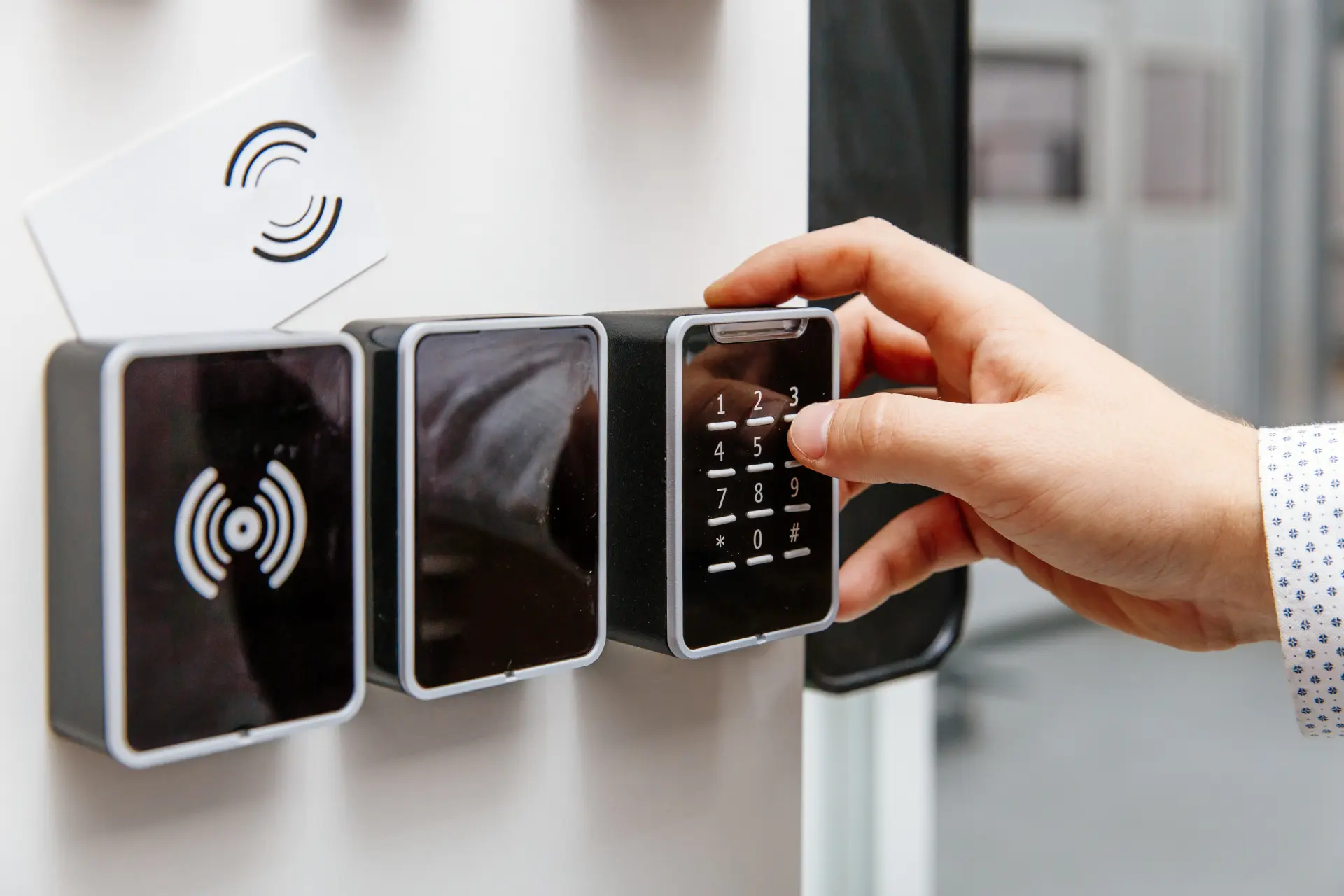
Smart locks and access control systems supply a modern and flexible way for local landlords to manage security. These systems use digital keys, key cards, or smartphone apps instead of traditional keys, reducing the risk of unauthorised copies being made. Landlords can easily grant or revoke access without replacing physical locks, making tenant changes smoother.
In HMOs and multi-unit buildings, access control systems are particularly beneficial. Tenants can have individual access to their rooms while shared areas remain secure. This ensures you have plenty of privacy and prevents any unauthorised entry between the units. Electronic access logs can also record who enters and leaves your buildings, to add an extra layer of accountability.
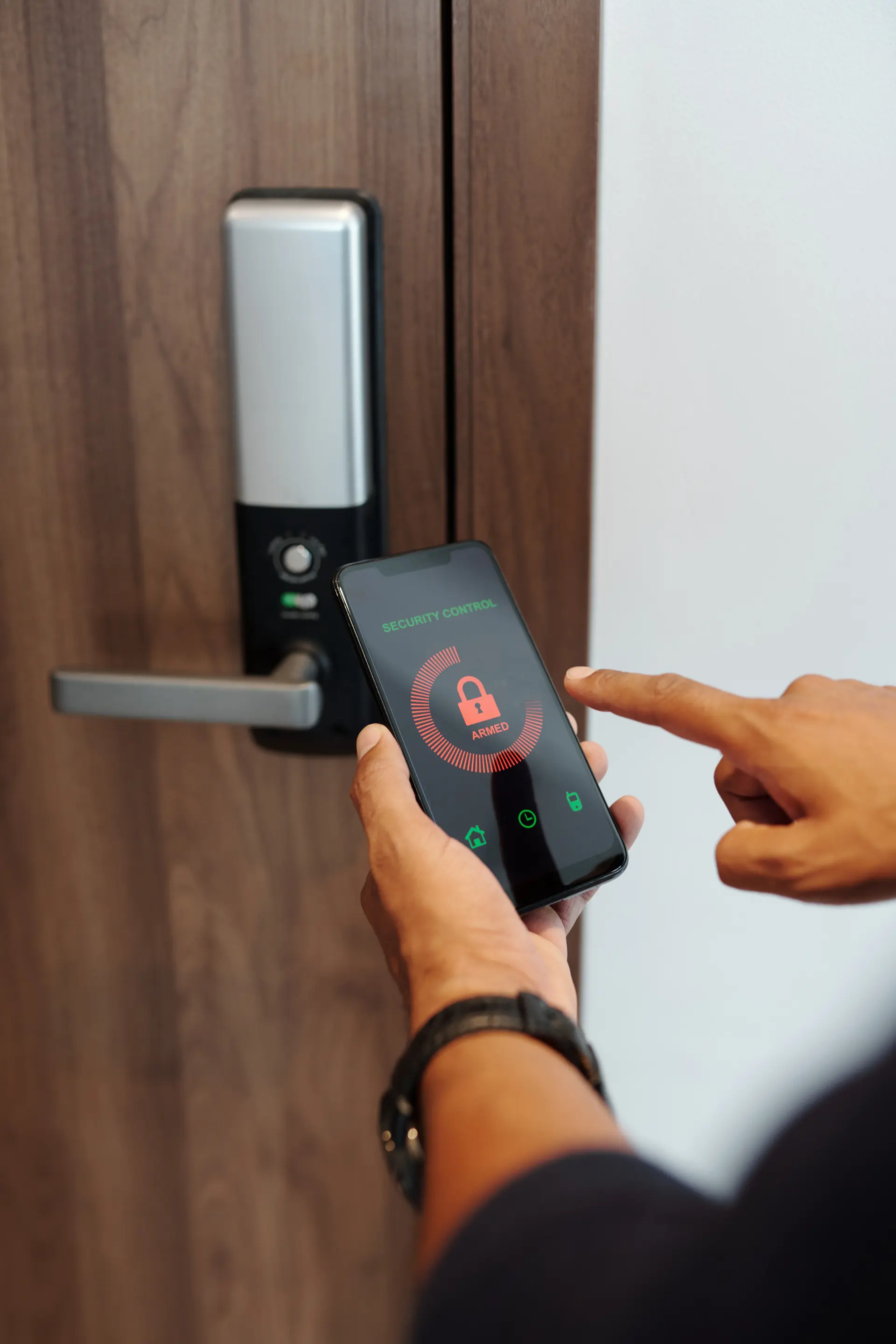
Smart locks can be accompanied by other systems for greater convenience. For example, they can link with video doorbells or CCTV to verify visitors before unlocking. Some systems also allow time-based access, ideal for cleaners, maintenance workers, or letting agents.
When choosing a smart lock, landlords should prioritise those with encryption and backup entry options. It is wise to select models that can operate manually if power or connectivity fails. A strong combination of technology and practicality ensures both convenience and reliability.
Lighting & Deterrence
Suitable lighting is one of the simplest yet most effective ways to avoid crime in your area. Well-lit areas limit the number of hiding spots and make suspicious behaviour more noticeable. Landlords should ensure that entrances, pathways, and parking areas are fitted with adequate lighting.
Motion-activated lights are incredibly useful in this context, as they only switch on when any sign of movement is detected, conserving energy while surprising intruders.
Outdoor lighting should be positioned to illuminate access points without causing glare or discomfort for tenants. LED floodlights supply lots of bright, energy-efficient coverage, and solar-powered models are ideal for reducing electricity costs. It is also advisable to protect light fittings with cages or covers to prevent vandalism.
In addition to lighting, clear visibility from the street acts as a deterrent. Avoid planting lighting near any tall hedges or fences that obscure the entrances, as these can create opportunities for concealment. Maintaining a tidy exterior is also a good way to show that the property is frequently cared for and well-monitored, which can sometimes discourage unwanted attention.
Finally, landlords can enhance deterrence through visual signals. Displaying alarm stickers, CCTV warning signs, and neighbourhood watch notices reinforces the impression that the property is protected.
From quick repairs to full rewires, MRH Electrical provides trusted electrical services for all homes and businesses. Call us today for safe, reliable and affordable help. Contact our local electrician for Home Office Security Installation Derby, Burton on Trent, Ilkeston.
Related Articles
Landlord Guide to Security System Installations