Get practical tips from a Landlord Guide to Security System Installations. Enhance safety, reduce risks, and meet insurance requirements to safeguard your rental property.
Why Security Matters for Landlords
For landlords, making sure a property is secure goes beyond protecting just the bricks and mortar. A security system you can trust will protect the tenants, prevent damage, and safeguard all the valuable assets, such as appliances and furnishings.
It also helps you keep a positive reputation in your local area, attracting plenty of responsible tenants who value safety. When your tenants feel completely secure, they are more likely to stay longer, limiting the vacancy periods and increasing overall rental income stability.
A well-secured property can also deter criminal activity in the surrounding area. Visible security cameras or alarm signage act as a strong deterrent, discouraging opportunistic crimes like vandalism, trespassing, or theft. This kind of approach not only benefits landlords but also contributes to a much safer neighbourhood, which can improve property values and appeal.
Investing in security also shows tenants that the landlord takes their well-being seriously. It demonstrates a commitment to providing a high standard of living and encouraging trust between both parties. This level of care can lead to better communication, more timely rent payments, and smoother tenancy management.
Risk Assessment
Before installing a security system of any kind, landlords need to carry out a detailed risk assessment to get to grips with the potential faults of their property. This involves thoroughly inspecting all the existing access points, the lighting conditions, and the current locks.
A clear evaluation helps figure out exactly which areas need extra protection, such as rear entrances, communal spaces, or car parks. Identifying risks early prevents unnecessary spending on systems that may not address the main concerns.
Location also plays a major role in landlord risk assessments. Properties in urban centres, near public transport hubs, or close to any popular nightlife areas may face much higher risks of intrusion or anti-social behaviour. Yet, rural homes might be much more exposed to break-ins due to their isolation. Always have access to the local crime statistics and consult with the local police, as they can supply you with valuable insight into specific security needs.
The type of tenants also massively influences the level of security needed. For example, student housing usually benefits from lots of smart locks and shared access control, whereas family homes may need alarm systems integrated with working smoke detectors. Making sure the system suits the occupants is a great way to supply better protection and tenant satisfaction.
Landlords should also make a point of reviewing the security risks throughout their property, especially after any worrisome incidents or recent tenant changes. Systems that were once effective and functional five years ago might now be quite outdated based on the current safety rules.
Wired vs Wireless
When choosing between wired and wireless systems, landlords should consider installation ease, cost, and maintenance. Wired systems are often more reliable since they are not affected by signal interference or battery life. However, they can be quite expensive and disruptive to install, mostly in finished properties. Yet, they are best made for long-term ownership or new builds where wiring systems can be planned completely in advance.
Wireless systems, on the other hand, are much more flexible and easier to install without significant alterations. They connect via Wi-Fi or radio signals, making them a practical choice for existing buildings or temporary setups. While they are much less stable in areas with weaker connectivity, technological advances have largely improved their overall performance.
When it comes to maintenance, wireless systems usually require frequent battery replacements, whereas wired systems may need professional servicing. Landlords should weigh these ongoing costs when making a decision. Ease of access for maintenance is also crucial, particularly for multi-unit properties where disturbing tenants should be minimised.
HMOs & Multi-Unit Buildings
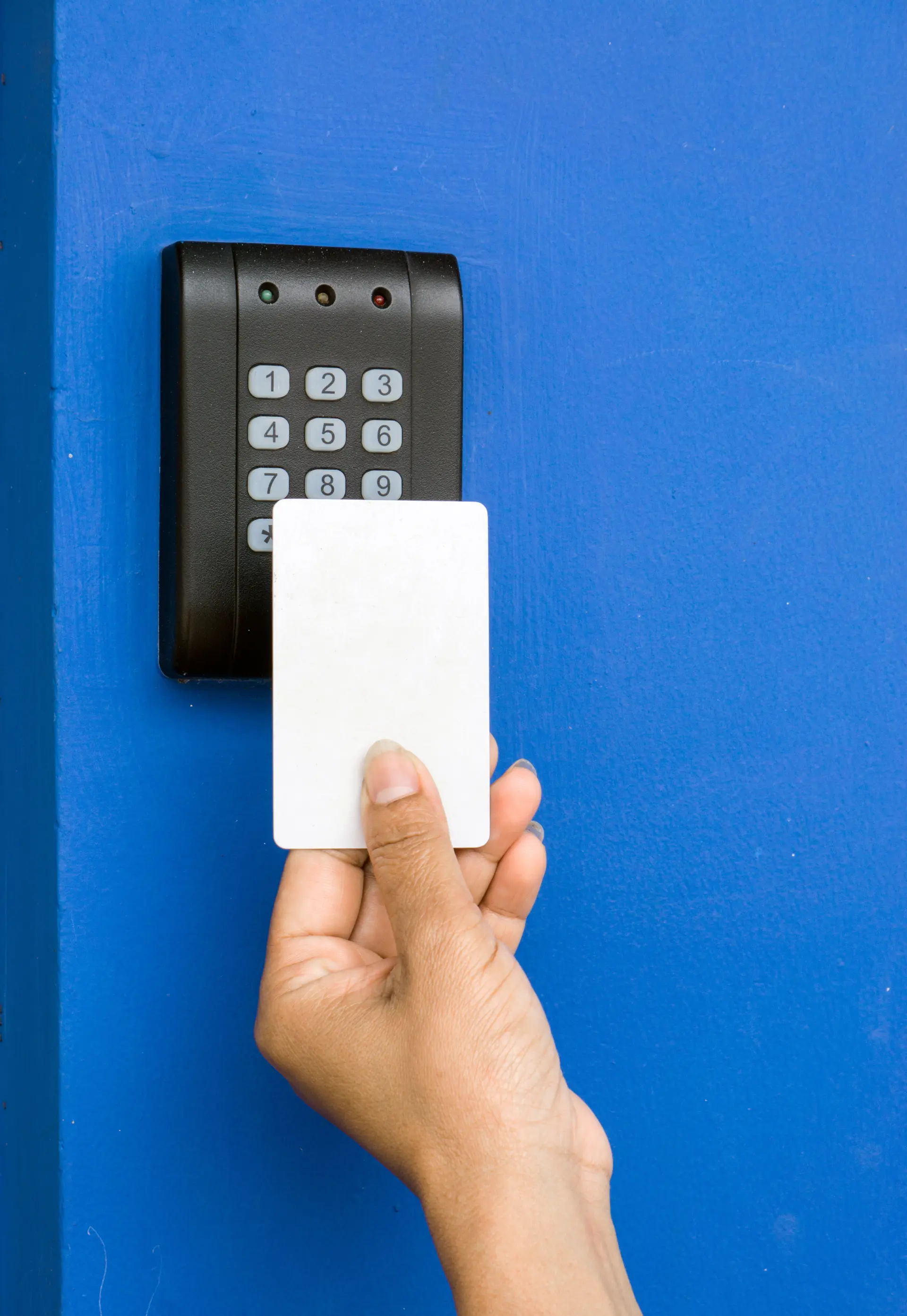
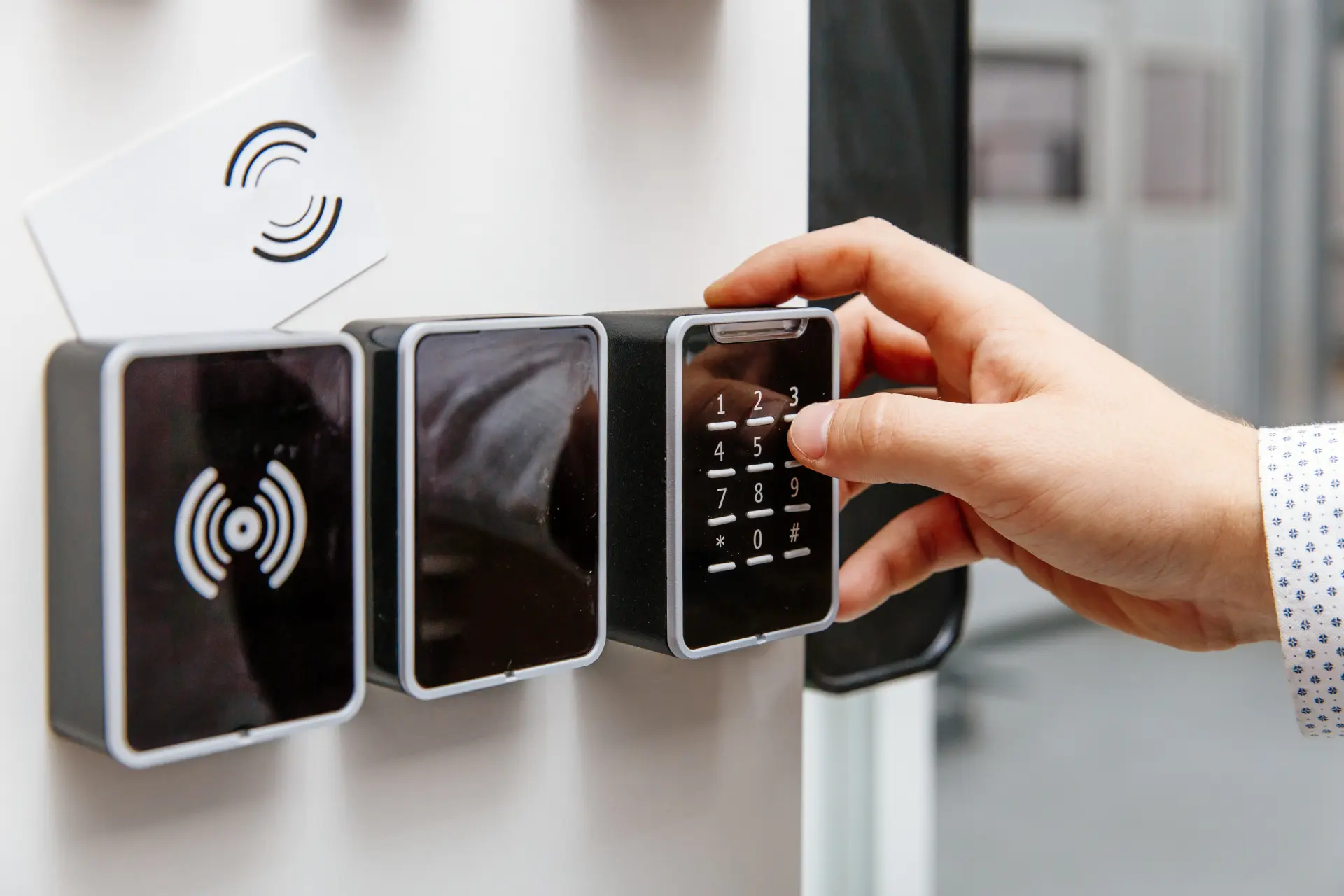
Houses in Multiple Occupation (HMOs) and multi-unit buildings present a whole number of unique security challenges. With many tenants sharing communal spaces, it is necessary to have systems that balance privacy with safety. Access control systems like key cards or coded entry panels help regulate who can enter the property, which eliminates the risk of any unauthorised access.
In shared environments, CCTV in communal areas can improve safety while deterring damage and theft. However, many landlords must make sure they follow all the current data protection laws, including displaying appropriate notices and safely securing any recorded footage. You must avoid placing cameras in more private spaces like bedrooms or bathrooms, to maintain respect for tenant privacy.
Fire safety integration is also a major consideration for HMOs. Landlords can also link their fire alarms and smoke detectors with the main security system.
This creates a central monitoring point, which allows for quicker responses in emergencies and ensures housing regulations are closely followed.
Communication is key in these types of properties. Tenants should always be informed about how the security system works and what areas of the property it covers.
Offering up these clear instructions gets rid of any confusion and allows the system to be used properly. A well-informed tenant base contributes to a safer, more harmonious living environment.
Insurance Requirements
Insurance providers often have specific conditions regarding property security. A professionally installed alarm or CCTV system can reduce premiums and increase the likelihood of claims being approved in the event of theft or damage. Landlords should always check with their insurance company before installation to make sure the system meets the existing policy and standards.
Failing to meet the security requirements can result in denied claims, which will leave landlords financially exposed. Many insurers need some evidence of functioning locks on all doors and windows, as well as proof that alarm systems are regularly maintained. Keeping documentation up to date is completely necessary to avoid these kinds of complications during the process of obtaining a claim.
Many insurers supply discounts for properties that have monitored alarm systems to alert the local emergency services immediately. Although these may carry a much higher monthly cost, they provide greater assurance and faster response times. This can be rather beneficial for landlords managing one or multiple properties from a distance.
From quick repairs to full rewires, MRH Electrical provides trusted Security System Installation. Call us today for safe, reliable and affordable help. Contact our local electrician in Derby, Burton on Trent and Ilkeston.
Related Articles
Home Office Security Installation Tips